In the evolving landscape of modern healthcare, the boundary between “conventional” and “complementary” care is softening. As patients increasingly seek out person-centered, non-invasive treatments, healthcare students and practitioners are looking for ways to expand their clinical toolkit. At Norma Shiatsu Croydon, I have seen first-hand how the addition of traditional bodywork can transform a practitioner’s approach, moving them from a purely symptomatic focus to a truly integrated model of care.
For those pursuing a health online degree or looking to enhance their existing credentials, Shiatsu offers a unique career specialization. It is not just about the technique; it is about the professional depth that comes from understanding the body’s structural and energetic systems as one.
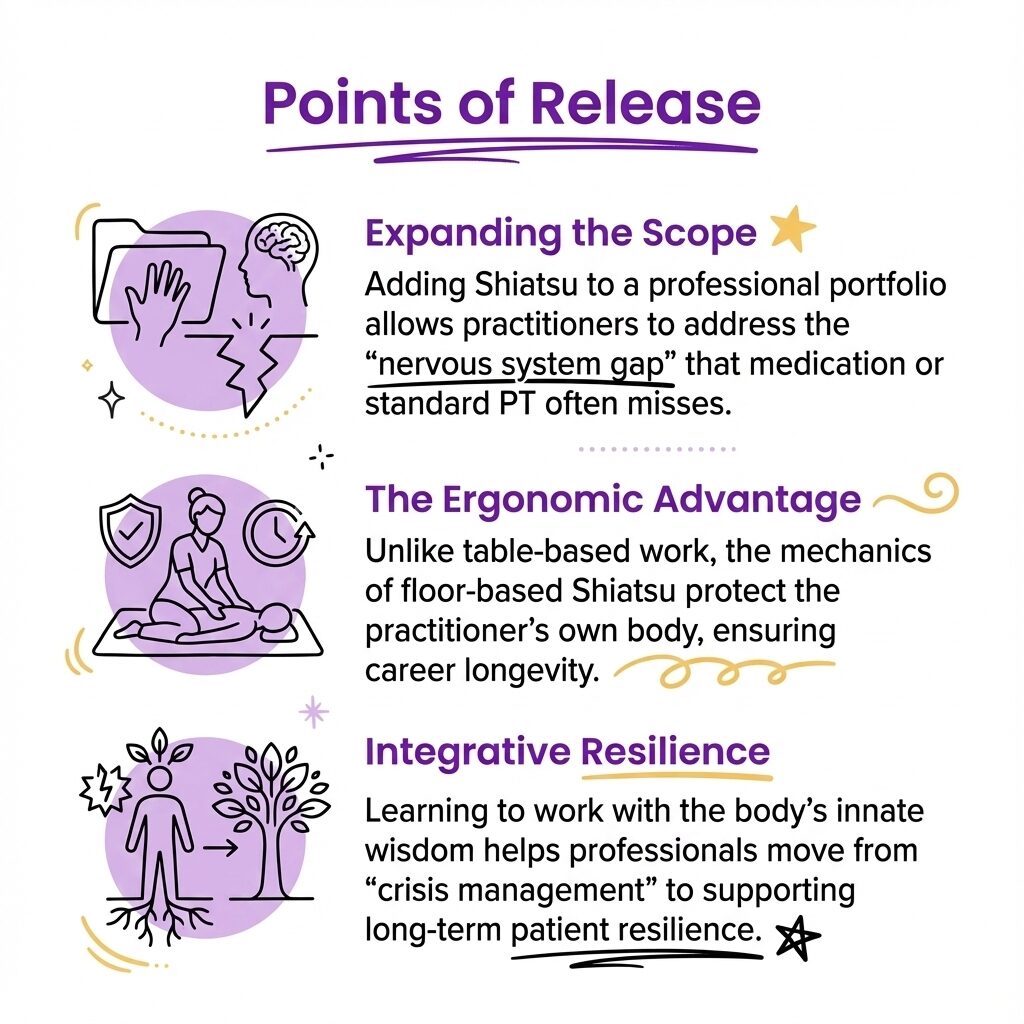
Points of Release
- Expanding the scope: Adding Shiatsu to a professional portfolio allows practitioners to address the “nervous system gap” that medication or standard PT often misses.
- The ergonomic advantage: Unlike table-based work, the mechanics of floor-based Shiatsu protect the practitioner’s own body, ensuring career longevity.
- Integrative resilience: Learning to work with the body’s innate wisdom helps professionals move from “crisis management” to supporting long-term patient resilience.
A Toolkit for the Modern Practitioner
Whether you are a nurse, a physical therapist, or a massage professional, the pressure to deliver “results” is high. However, results are often hindered by the patient’s own “bracing” response, the physical tension caused by stress and pain.
As MF, a fellow Shiatsu practitioner, notes: “Shiatsu was a very effective anchor throughout my studying journey and afterwards to create my own practice.” For healthcare students, Shiatsu provides a grounding framework. It teaches you how to use perpendicular pressure and leverage to signal the brain to switch from “fight-or-flight” to “rest-and-repair.” When a practitioner can facilitate this shift, every other medical intervention becomes more effective.
Meeting the Patient Where They Are
One of the most valuable professional skills is the ability to create a safe, nurturing space. My client KPS described the experience as a “healing journey” guided by “gentle strength and compassionate care.” In a clinical setting, this ability to connect on multiple levels is what sets a professional apart.
By integrating Shiatsu principles, such as the “Points of Release” philosophy, practitioners can help patients like KB, who struggled with trauma-informed pain, or PB, who needed a “simultaneously relaxing and energizing” solution for a stiff shoulder. It turns a standard appointment into a transformative experience.
Career Longevity and Specialization
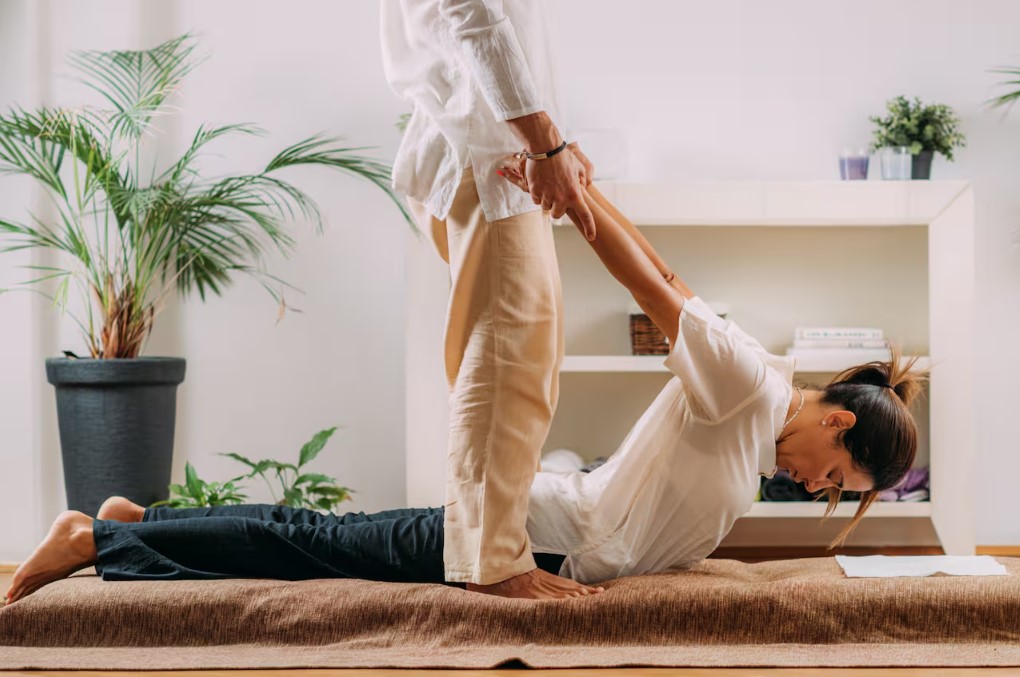
For many in the health sector, burnout is a physical reality. The beauty of Shiatsu is its floor-based nature. As I often explain to my students and peers, working on the floor allows the practitioner to use their own body weight rather than just muscle strength. This “mechanical reset” is as much for the practitioner as it is for the patient.
Adding Shiatsu to your professional repertoire isn’t just a “fancy word for massage”—it is a commitment to a higher standard of holistic care. It is a way to ensure that as the healthcare industry grows, you are growing with it, equipped with the tools to heal the whole person.
South London’s premier sanctuary for professional structural release is here. Because your body deserves the restorative power of a London Japanese Massage, visit our website to secure your session today.
About the Author
This article was brought to you by Norma Powell, a dedicated Shiatsu practitioner at Norma Shiatsu Croydon. With a warm and grounded approach, Norma provides nurturing treatments that bridge the gap between physical release and emotional calm. She is committed to supporting both clients and fellow practitioners in their journey toward structural health and professional excellence.
Frequently Asked Questions
Can Shiatsu be integrated into a standard nursing or PT practice?
Absolutely. Many practitioners use “mini-sessions” or specific Shiatsu pressure points to help calm a patient’s nervous system before or after other clinical treatments.
Why is floor-based work better for professional longevity?
Working on a traditional floor mat (futon) allows the practitioner to keep their spine neutral and use their center of gravity (Hara) to apply pressure. This prevents the wrist and shoulder strain common in table-based massage.
Is Shiatsu recognized for continuing education?
- Yes, in many regions, Shiatsu is an accredit path for continuing education credits for massage therapists and other licensed healthcare practitioners professionals looking to specialize in holistic bodywork.
Sources
- Journal of Integrative Medicine (Complementary Care Trends): https://www.sciencedirect.com/journal/journal-of-integrative-medicine
- The Lancet (Addressing the “Nervous System Gap” in Clinical Care): https://www.thelancet.com/journals/lanpsy/home
- Ergonomics Journal (Body Mechanics for Manual Therapists): https://www.tandfonline.com/journals/terg20
- Nursing Outlook (Holistic Integration in Nursing Practice): https://www.nursingoutlook.org/article/S0029-6554(16)30112-7/fulltext
- FHT (Federation of Holistic Therapists – Accredited Training Standards): https://www.fht.org.uk/accreditation